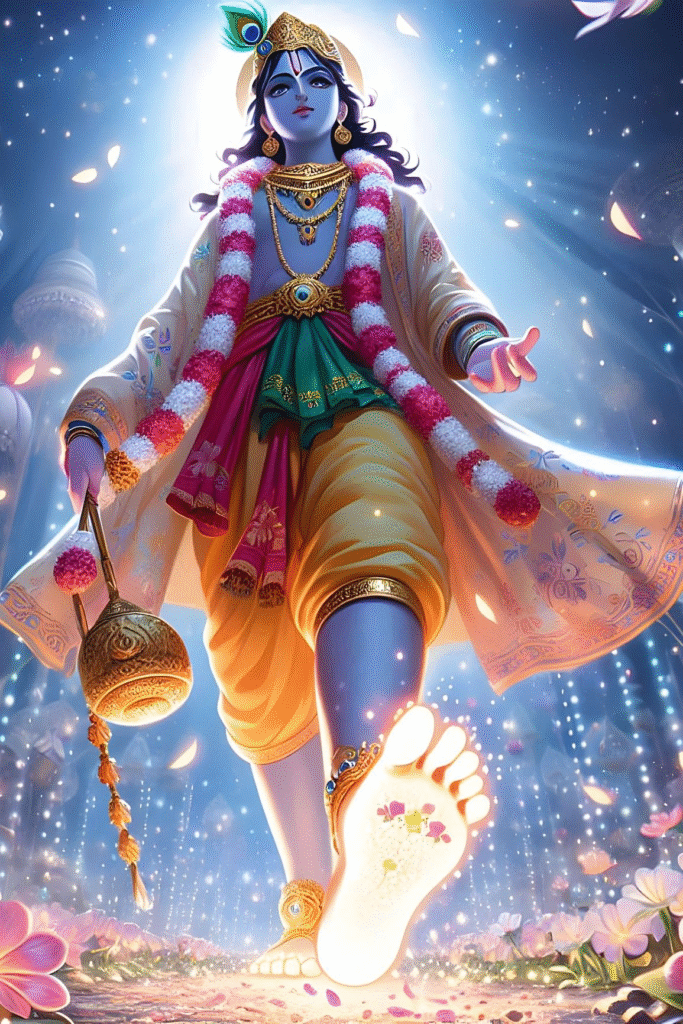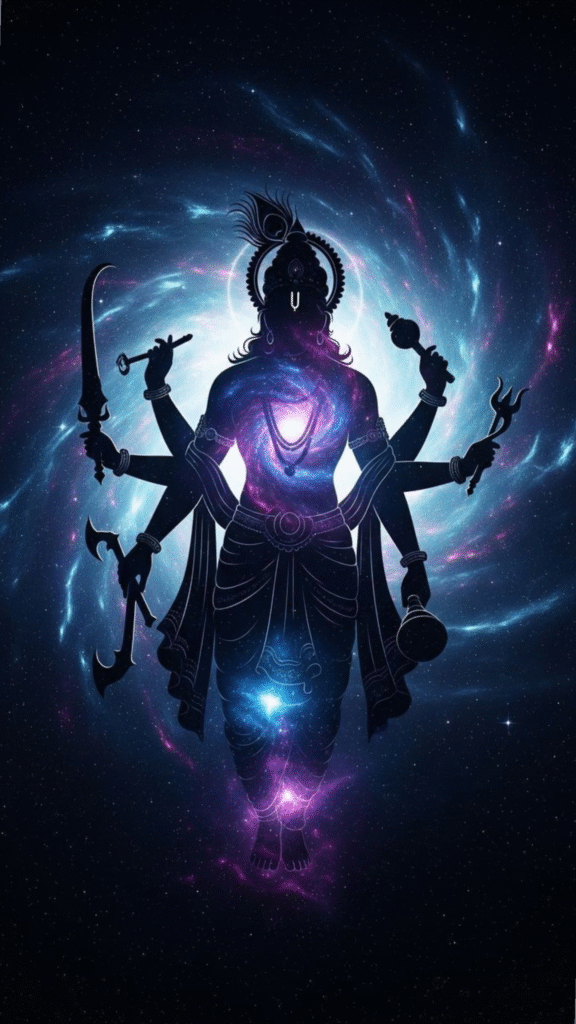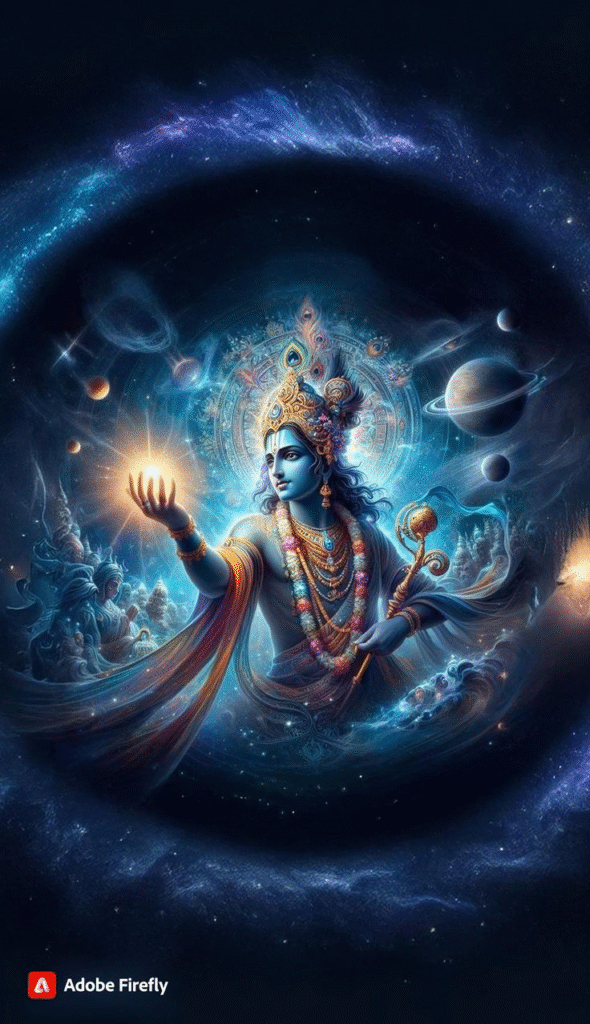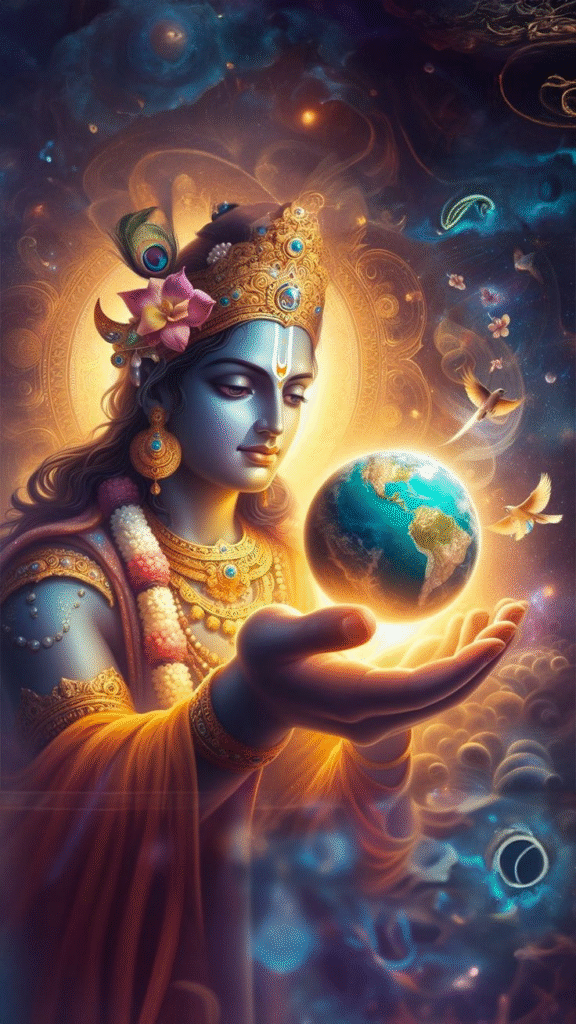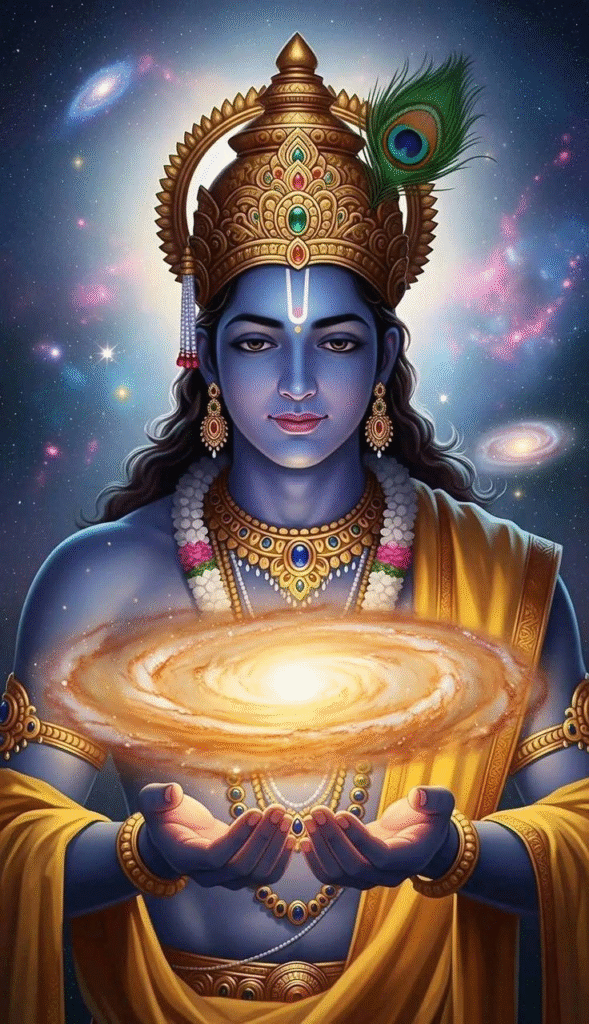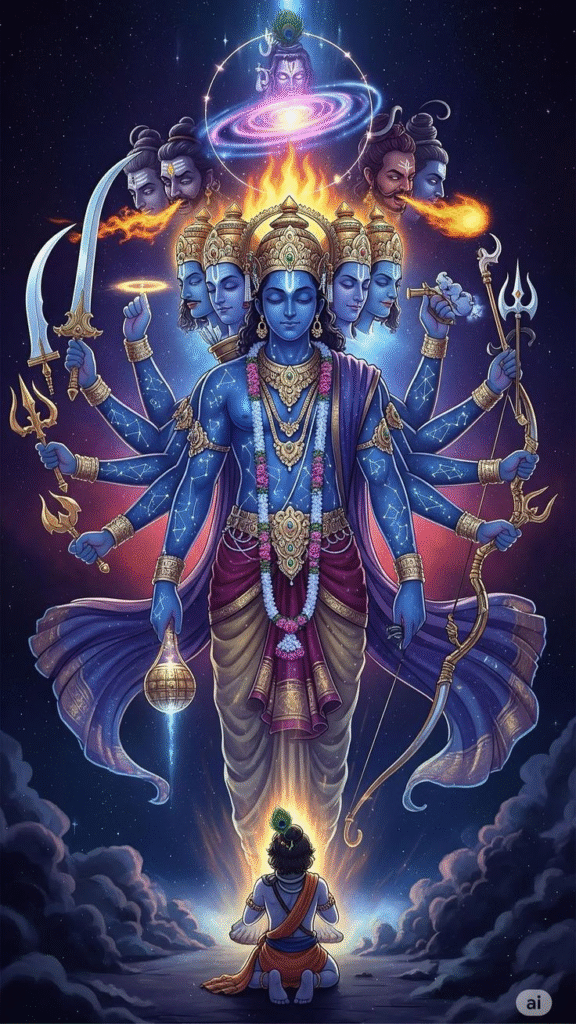
The story of Ekadashi is rooted in Hindu mythology and holds deep spiritual significance. It begins with Lord Vishnu (Narayan) in a meditative or resting state when a demon named Murdanav or Mundanav approaches with hostile intent to attack him. To protect himself and uphold cosmic order, Lord Vishnu manifests the goddess Ekadashi, born from his own body or from the eleven senses (indriyas). She embodies penance and purity and requests that humans observe fasts on the Ekadashi day to control the eleven senses and purify the soul. Ever since, fasting on Ekadashi has been a revered spiritual practice (vrat) aimed at overcoming inner vices, attaining divine blessings, and spiritual purification.
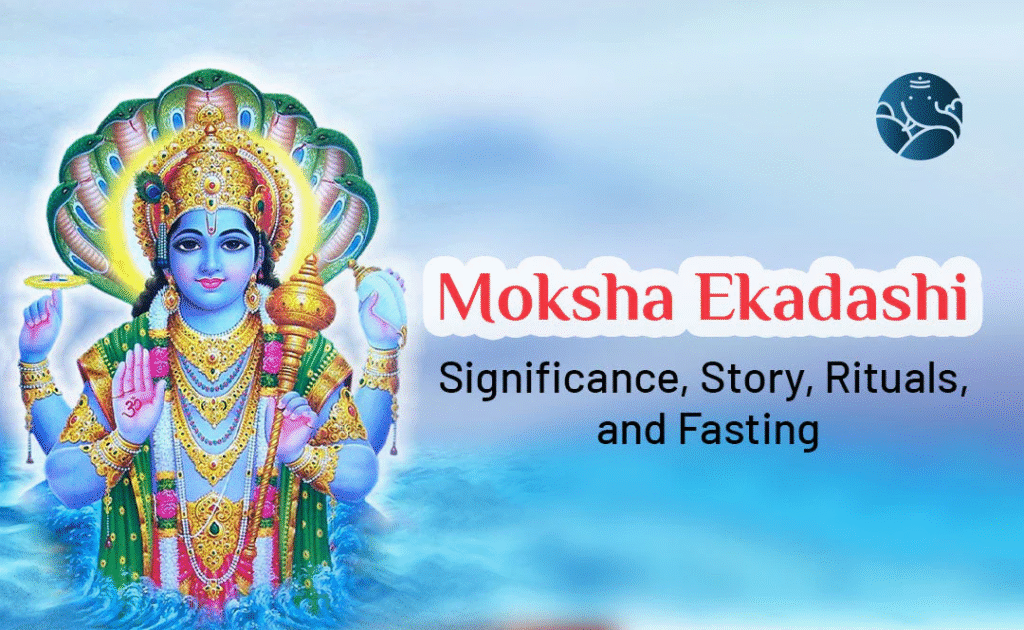
Ekadashi, which occurs twice a month, is dedicated primarily to Lord Vishnu and is believed to bring immense merit, forgiveness of sins, and liberation (moksha). Devotees observe fasting, prayer, and devotion on this day, which is said to please Lord Vishnu profoundly. Mythological texts like the Padma Purana recount stories of devotees who received protection, forgiveness, and spiritual elevation by fasting with devotion on Ekadashi. The ritual aims to quiet the ego, regret, and desires to make way for divine grace and spiritual growth.
In essence, the story symbolizes the victory of virtue over demon-like negative tendencies within oneself by fasting and devotion to Lord Vishnu. It represents self-discipline, spiritual awakening, and the compassionate mercy of the divine toward those who surrender sincerely on this sacred day.