Sri Suka Maharshi, also known as Sukadeva Goswami, was the illustrious son of the great sage Krishna Dvaipayana Vyasa, the compiler of the Vedas and author of the Mahabharata. Vyasa is regarded as a partial incarnation of the Supreme Lord. Suka embodied perfect mastery over the senses, earning him the titles “Maharshi” (great sage) and “Goswami” (master of the senses, where “go” refers to the senses).
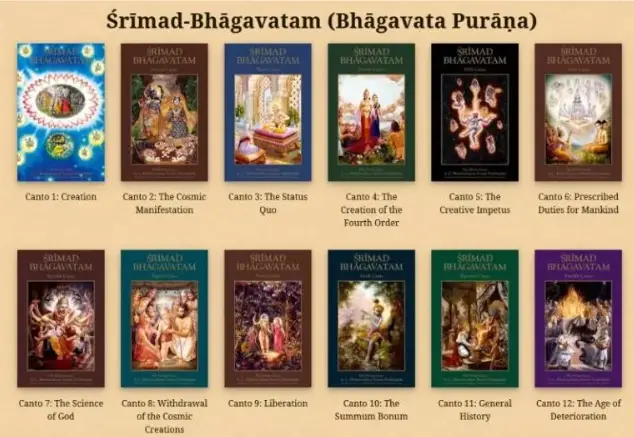
A lifelong celibate (naishtika brahmachari), Suka exemplified complete conquest over desire and illusion. He is celebrated as the primary narrator of the Srimad Bhagavatam, the crown jewel of Hindu scriptures, often called the “Maha Purana” with 18,000 verses across 12 cantos.

The Miraculous Birth of Suka
According to the Brahma Vaivarta Purana, Vyasa and his wife (daughter of sage Jabali) performed intense austerities to be blessed with a child. The soul that entered the womb was already highly advanced spiritually. Aware of the material world’s binding illusions, the child remained in the womb for 12 years, seeking protection from maya.
Vyasa attempted to persuade him with philosophical teachings, but to no avail. He then approached Lord Krishna in Dwaraka, who personally assured the unborn child that devotion to His divine pastimes would grant liberation even in the material world. Convinced, Suka emerged but immediately departed as a liberated soul, wandering freely. Vyasa followed, calling out in parental affection, but Suka continued his journey.
Later, Vyasa entrusted him with the Srimad Bhagavatam, compiled under the guidance of sage Narada. Suka absorbed its essence, becoming a pure devotee of Lord Krishna.
Symbol of Detachment and Victory Over Desire
Suka often wandered unclothed, free from body consciousness. A famous incident illustrates his transcendence: While passing a lake where celestial nymphs bathed naked, they felt no shame in his presence, viewing him as beyond gender distinctions—a fully liberated soul. Moments later, when Vyasa arrived, the nymphs quickly covered themselves out of modesty. When questioned, they explained that Suka saw no difference between male and female, while Vyasa, though advanced, still retained subtle awareness.
The Bhagavatam describes Suka’s appearance beautifully: delicate limbs, wide lotus-like eyes, prominent nose and ears, an attractive face, and a neck resembling a conch shell.
The Divine Narration of Srimad Bhagavatam
Suka’s most renowned act was reciting the entire Bhagavatam to King Parikshit, grandson of the Pandavas, on the banks of the Ganges. Cursed to die in seven days, Parikshit sought spiritual liberation. Suka, though typically staying nowhere longer than needed to milk a cow, remained for seven continuous days and nights to deliver the nectarean teachings.
Both speaker and listener were pure devotees, making the discourse profoundly transformative. Parikshit attained freedom from fear of death, and the Bhagavatam—passed from Krishna to Brahma, Narada, Vyasa, and finally Suka—spread worldwide. Later, sage Suta retold it to assembled rishis at Naimisharanya.
The lineage of transmission underscores its purity: from the Lord’s heart to Brahma, Narada, Vyasa, Suka, Parikshit, and beyond.
Connection to Tirumala-Tirupati Region
While Suka’s primary associations are with the Ganges and Vedic traditions, local sthala puranas link the area near Tirupati to him. The village of Tiruchanur (home to the Padmavati Temple, consort of Lord Venkateswara) was anciently known as “Sukapuram” or “Sri Sukanoor,” believed to be the site of Suka Maharshi’s ashram. Some traditions mention Lord Srinivasa (Venkateswara) visiting or referencing this hermitage during His earthly pastimes.
Additionally, the Varaha Purana and Tirumala temple scriptures reference resolutions to scriptural timelines involving Suka, highlighting the region’s deep Vaishnava heritage.
Sri Suka Maharshi remains an eternal inspiration for seekers, embodying renunciation, devotion, and the power of sacred hearing and chanting. His life teaches that true liberation comes from surrender to the divine narratives of the Lord.